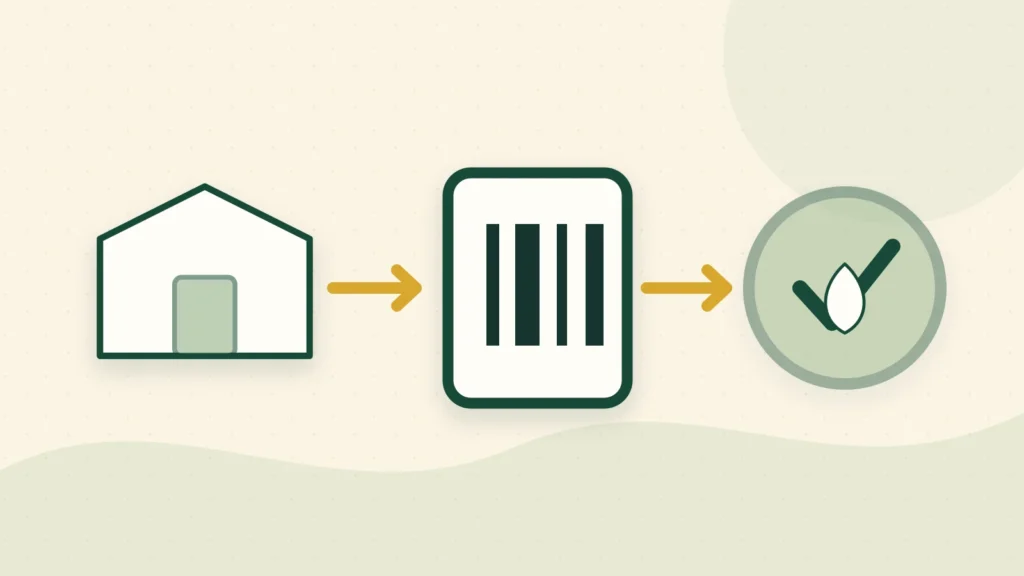

In brief. A well-run day with laying hens follows a clear sequence: observe the flock, check water and feed, assess the house environment, collect eggs, clean without moving hazards between zones, and record anything unusual. This reference workflow is written for the context of Oued Zem. It is not presented as a first-hand report of practices observed at Domaine Mamati.
Look before you start moving things
The first round is a diagnosis, not a race. Before topping up a feeder or carrying equipment through the house, the stockperson watches how hens are distributed, how active they are, how they breathe, and whether feathers, feet or skin show a visible problem. Sound matters too. A sudden change in the noise of the flock, an unusually quiet group, or repeated calls around a drinker can point to an interruption that needs checking.
Canada’s national avian biosecurity guidance recommends daily observation procedures and a mortality log for each flock. The purpose is not to diagnose every condition without help. It is to recognise a departure from the flock’s normal pattern early enough to investigate and involve the veterinarian when required.
Water, feed and air come first
Clean drinking water must remain available. The round includes drinker flow, leaks, contamination and the ends of lines, not only the points nearest the door. In Morocco, the decree implementing Law 49-99 includes at least annual bacteriological and chemical testing where well water is used. That legal minimum does not replace operational checks during the day.
Feed stocks, delivery and presentation are checked next. Dampness, an unusual smell, evidence of rodents or uneven distribution call for action. The house environment is assessed at bird level: temperature, humidity, dust, ammonia odour, light and air movement. During hot weather, panting, open beaks and reduced movement are warning signs. Automated ventilation, pumps and lights require tested alarms and a contingency plan because loss of water or airflow can become critical quickly.
Collect eggs while preserving the lot identity
Regular collection limits breakage, visible soiling and confusion between production periods. Morocco’s 2024 specification for the recognised agricultural label “Eggs from free-range hens” requires at least two collections a day and same-day collection of all eggs covered by that label. This exact rule belongs to that specification. It must not be used to imply that Mamati holds the label unless formal recognition can be documented.
Hands, trays and the receiving surface are kept clean. Broken eggs are separated, and visibly cracked or soiled eggs follow the site’s documented procedure. Every tray retains a link to the date and source flock or house. Traceability begins in the laying area, well before a retail label is printed.
Work from cleaner areas towards dirtier ones
Daily maintenance is sequenced so that boots, tools and clothing do not carry contamination back into a cleaner zone. Dedicated footwear, hand hygiene and equipment assigned to a house reduce unnecessary movement. Wet litter patches are removed, feed spills are cleared and access by wild birds or rodents is checked. Cleaning removes organic matter first. Disinfection follows with an authorised product at the correct dilution and contact time.
The afternoon round confirms a trend
A second observation compares water, feed, egg numbers, air and behaviour with the morning. One number rarely tells the whole story; a change over time is more useful. A practical record can bring together eggs collected, rejected eggs, water and feed use, maximum temperature, mortality, visitors and interventions. A small set of fields entered in the same way every day is more valuable than a complex sheet that is completed inconsistently.
When a change persists, records help the stockperson and veterinarian separate equipment failure, heat, management changes and possible health problems. They also prevent a plausible story from replacing evidence.
Close the day without disturbing rest
Before night, access points are secured, birds are accounted for, water is confirmed and perches are checked. Electrical systems and alarms are tested without disrupting the dark period. The UK code for laying hens recommends a 24-hour rhythm that includes an uninterrupted period of darkness and, where possible, a twilight transition so hens can settle on perches without sudden disturbance.
What this guide cannot establish
No routine fits every farm. Flock size, housing system, age, season, water source and veterinary requirements change the protocol. Action thresholds and products must be agreed with the attending veterinarian and aligned with current Moroccan rules. This article describes a responsible working method; it does not certify a housing system, health status or production result at a particular farm.
Looking for eggs for your kitchen?
Send your city, preferred pack and quantity. Mamati will confirm availability, pricing and the possible delivery slot.
Sources and review
- Canadian Food Inspection Agency — General Producer Guide
- ONSSA — Decree No. 2-04-684
- ONSSA — Order No. 1591-24
- UK Government — Code of practice for laying hens
Editorial review: 28 July 2026.