
Farming and the farm
From farm to customer: building egg traceability
Define the lot, connect inputs, preserve identity through grading and retrieve customers with a traceability system that can be tested.
Read the articleMamati Notes
Practical guides to laying-hen farming, welfare, biosecurity and farm traceability.
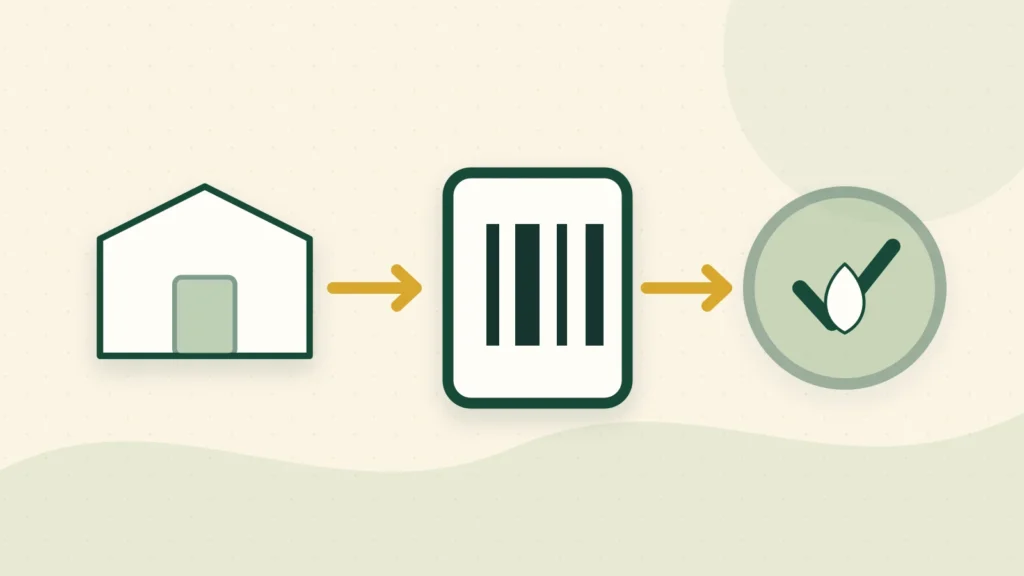
Define the lot, connect inputs, preserve identity through grading and retrieve customers with a traceability system that can be tested.

Water, airflow, shade, backup systems and alert levels must be ready before a heatwave and guided by bird response.

From lot identification to packing, distinguish collection, quality sorting, weight grading and traceability controls.

Mortality, feathers, injuries, breathing, behaviour and resource access require repeatable scoring linked to practical action.

Access, flows, water, feed, cleaning, surveillance and an emergency plan form a system that no single disinfectant can replace.

Friable litter, reachable perches and quiet nests support different behaviours and must be assessed through the hens’ actual use.

Age, light, water, feed, heat and moult shape a laying curve that is never a perfectly regular daily clock.

Water quality, formulated feed, access and heat interact. Learn which trends to monitor and why changes need professional guidance.

Siting, shade, airflow, water, drainage and workflow must work together. Use this Oued Zem planning checklist before professional design.

From the first flock check to the evening close, this guide covers water, feed, eggs, hygiene and records without claiming an observed Mamati routine.