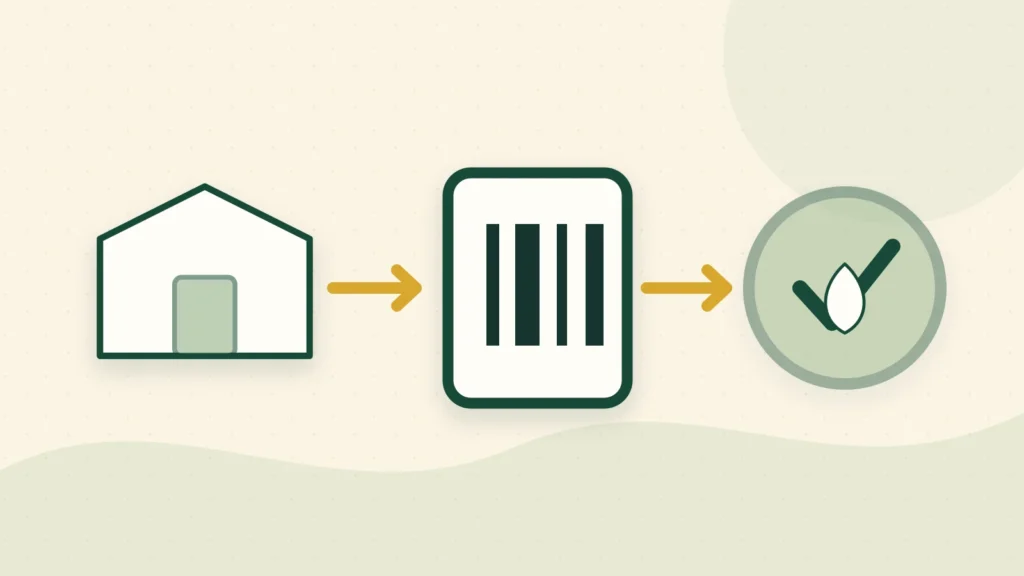

In brief. Biosecurity aims to stop infectious agents entering a flock, moving between areas and leaving the site. It depends less on a “miracle” disinfectant than on a coherent system: controlled access, clean/dirty separation, protected feed and water, managed equipment, flock surveillance, effective cleaning and a practised response plan.
Map every route onto the farm
Disease agents can travel with a bird, a person, boots, a vehicle, a crate, feed, water, rodents or wild birds. The World Organisation for Animal Health stresses that measures should reflect local health status, introduction risks and the context of the operation. The first task is therefore to draw the site boundary, houses, range, storage, egg and waste routes, visitor access and delivery points.
The map supports a controlled access zone and a more restricted area around the flock. A sign alone is not a control. Every crossing needs a rule, an accountable person and the necessary equipment. Clean pathways should not be crossed by mortality or waste movements.
Limit, prepare and record entry
Only necessary people enter poultry areas. A visitor record can capture date, identity, purpose, recent contact with other poultry and the houses visited. Dedicated clothes and footwear, handwashing and cleaning of equipment follow a written order. A dirty footbath is not protection: organic matter can neutralise many disinfectants. The surface is cleaned first, then the correct concentration and contact time are used.
Delivery vehicles stay at the perimeter where practical. Incoming crates and tools must be clean, cleanable and assigned. Unnecessary objects remain outside so fewer surfaces need control.
Protect water, feed and bedding
USDA guidance recommends contained water where possible, protected feed and litter, and measures to prevent contact with wild birds and rodents. Spills are removed promptly. Openings should exclude animals without blocking essential ventilation.
Morocco regulates poultry health protection through Law 49-99 and its implementing texts. Well water, for example, is subject to bacteriological and chemical testing. A farm-specific plan should be agreed with the attending veterinarian and updated in response to ONSSA alerts.
Separate flocks and sequences
Bringing in birds increases risk. Documented origin, planned movement, separation and observation are needed. Where the system allows, all-in/all-out management creates a time break between flocks and makes full cleaning easier. If several ages are present, separation of people, equipment and air routes requires additional attention.
Rounds normally move from the most protected or vulnerable group towards higher-risk zones. Going back requires the clothing and cleaning steps defined in the plan.
Use surveillance to respond early
Biosecurity includes daily monitoring of mortality, water and feed, egg output, shells, breathing, behaviour and visible clinical signs. Unexplained mortality, reduced intake or laying, and respiratory signs should trigger flow restrictions, veterinary contact and the relevant notification procedure. Sick birds are not moved between houses, and treatment is not guessed without diagnosis.
Clean, disinfect and verify—in that order
Organic matter is removed before washing and disinfection. Work moves from high to low and cleaner to dirtier surfaces. An authorised product is used at its stated dilution and contact time. Drying and downtime form part of the process. Visual inspection and, where the plan requires, microbiological verification support release before the next flock.
Practise the response plan
An emergency sheet says who calls the veterinarian, who stops movements, where supplies are stored and how records are protected. It also covers water, power and ventilation failures. A short exercise exposes outdated phone numbers, locked doors without a key and missing consumables before a real event.
Training is recorded and refreshed. A procedure that exists only in a binder cannot protect the flock; staff need to demonstrate the entry, cleaning and reporting steps in the place where they will use them.
Audit the weak links, not just the entrance
A monthly walk-through follows a fictional contaminant from the public road to a hen house. It checks gates, parking, changing areas, handwashing, tools, egg pickup, feed delivery, waste and mortality storage. Staff explain what they would do instead of simply confirming that a document exists. Gaps are ranked by likelihood and consequence, then assigned to a responsible person.
Pest-monitoring points, building repairs and cleaning records are reviewed together. A recurring rodent sign beside spilled feed needs both control and removal of the attractant. A damaged screen needs repair before adding more disinfectant. The audit also verifies that products are approved for the intended surface, in date, labelled and stored securely.
Keep communication factual
If disease is suspected, internal and customer messages follow veterinary and official direction. Staff should not publish photographs, diagnoses or reassuring claims before facts are established. Protecting health includes accurate information, controlled movements and records that allow authorities to work quickly.
Limits
No plan removes every risk. Controls remain proportionate and must change with circulating disease. This article is not a substitute for ONSSA instructions or a veterinary biosecurity plan, and it does not describe Mamati’s actual health status.
Buying for a restaurant or shop?
Ask for the available information on origin, formats and delivery conditions.
Sources and review
- WOAH — Biosecurity procedures in poultry production
- CFIA — General Producer Guide
- USDA APHIS — How to Protect Your Flock
- ONSSA — Decree No. 2-04-684
Editorial review: 28 July 2026.